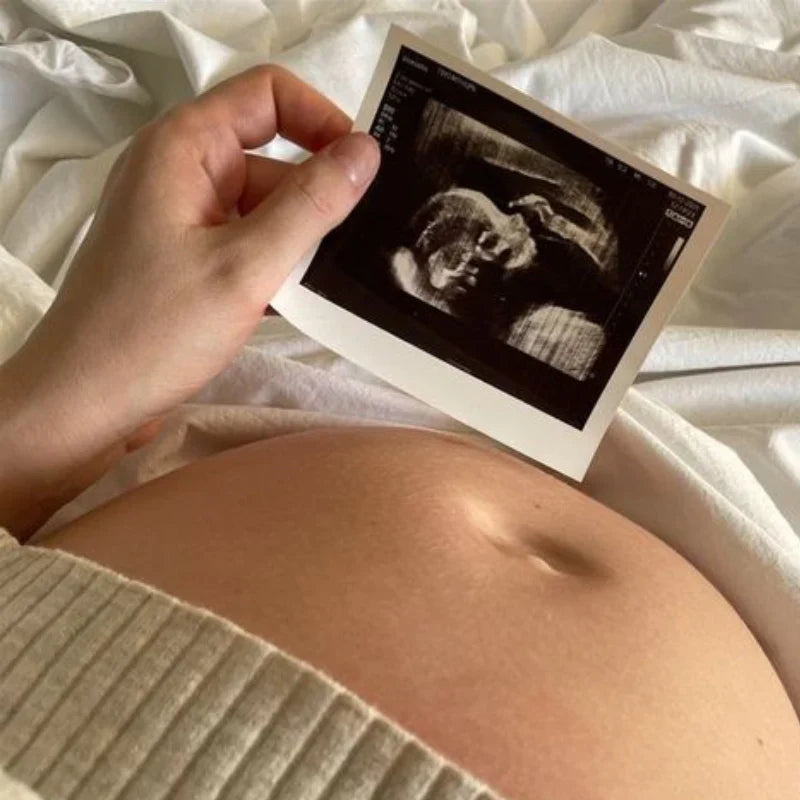
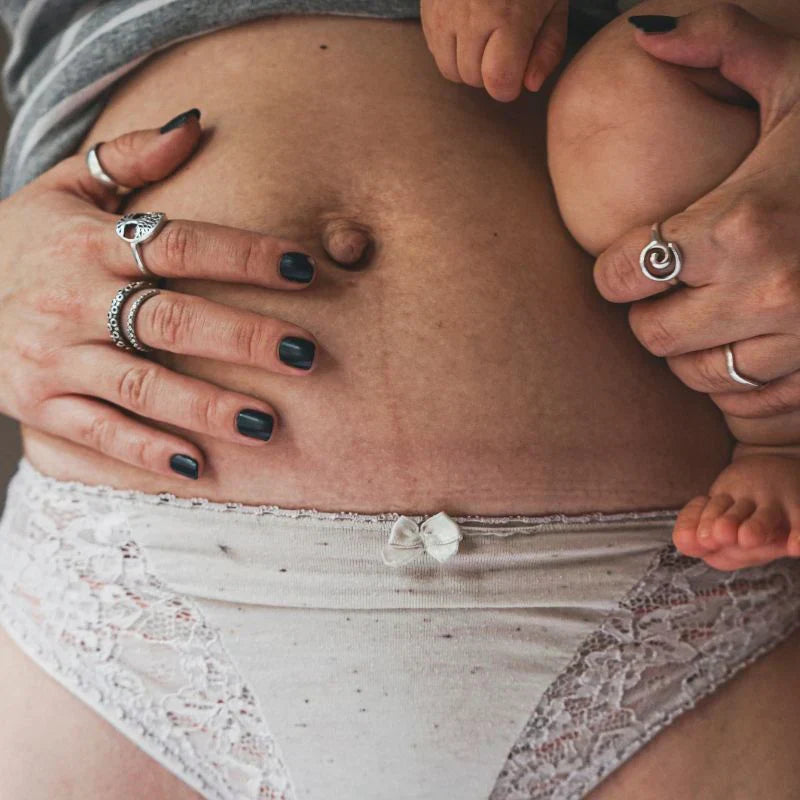
Becoming a mum is exciting, emotional, and full of change. Along with the joy of meeting your little one, there’s a new routine to adjust to — feeding, sleepless nights, healing, and understanding your baby’s needs. This Qatar-friendly guide walks you through what to expect after birth, how to recover comfortably, and how to care for your newborn with confidence.
Postpartum Recovery
After giving birth, your body has done something extraordinary and now needs time to heal. Whether you’ve had a vaginal birth or a caesarean, the early days are all about rest, nourishment, and gentle care.
If you had a vaginal birth, you may experience soreness, swelling, and tenderness. Warm-water rinsing or a perineal spray bottle can feel soothing, and cold compresses may help with swelling. A diet rich in fruits and vegetables can help prevent constipation.
If you had a caesarean section, it's important to follow your healthcare provider's instructions closely. Avoid lifting heavy items, move gently, and rest often. Pain relief may be recommended if appropriate for you.
Bleeding for several weeks after birth is normal. The colour gradually changes before stopping. For those bottle feeding baby, periods often return around 5–6 weeks. For those exclusively breastfeeding, periods may return later.
Breastfeeding Tips
Breastfeeding offers many benefits, but it takes practice for both mum and baby. Latching can feel tricky at first, and sore or cracked nipples are common. Nipple balm, warm compresses before feeds, and cool compresses after can help.
If you experience any difficulties with breastfeeding, don't hesitate to seek help. You can call the National Breastfeeding Helpline 9.30am to 9.30pm every day of the year: 0300 100 0212.
For local support, visit the NHS website to find breastfeeding support groups.
Check out our top 10 breastfeeding positions to try.
Bonding with Your Baby
Bonding grows through everyday moments. Skin-to-skin contact helps regulate your baby’s temperature and heartbeat. Your voice, scent, and eye contact provide reassurance and comfort.
Some parents bond instantly, while others take more time. Some women may experience postnatal depression . If you feel persistently sad or anxious, speak with your GP or health visitor.
Caring for Your Baby
Caring for a newborn can feel overwhelming with so much advice available. Trust reliable sources like the NHS, and don’t hesitate to ask your GP or health visitor for guidance.
Check out our baby sleep guide from baby sleep expert Cara Treadwell.
As your baby grows, they will reach milestones like rolling, sitting, crawling, and walking. Learn more here: You can also check out our blog article here all about growth and development for babies 0–12 months.