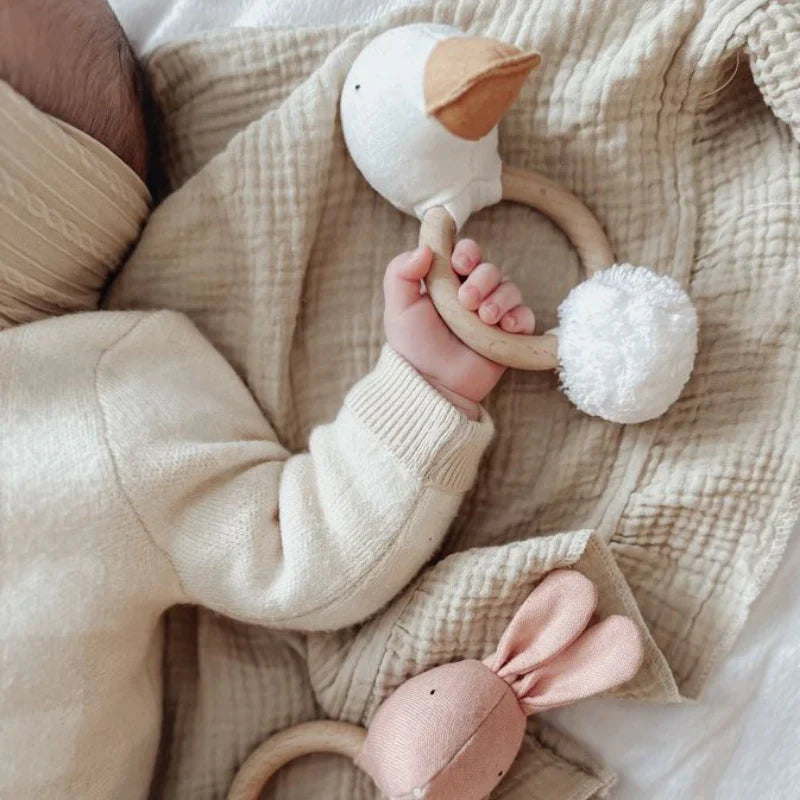
Incorporating tummy time into your daily routine from the newborn stage supports early development and builds essential foundations for future milestones. Here’s a clear, parent-friendly guide to help you understand why tummy time matters, how to begin, and how to make it enjoyable for your baby — with gentle reminders about early nutrition, including Kendamil formulas that support healthy growth during these developmental months.
The importance of tummy time and benefits of tummy time
What is tummy time and why is it important?
Tummy time means placing your baby on their stomach while awake and supervised. Even a few minutes a day can help strengthen muscles needed for rolling, crawling, sitting, and eventually standing. It also supports healthy head shape and overall sensory and motor development.
What are the benefits of tummy time for babies?
- Physical development: Helps strengthen the neck, shoulders, arms, and back — the core muscles that allow babies to move with confidence.
- Prevent flat head syndrome: Supports healthy head shape by reducing prolonged pressure on the back of the head.
- Muscle development: Pushing against the floor helps babies activate upper-body strength early.
- Motor skills: Encourages lifting the head, turning, pivoting, reaching, and eventually crawling.
- Sensory development: Different textures beneath their hands and chest stimulate sensory awareness.
- Visual development: As babies lift their heads, they practise focusing and tracking objects.
- Cognitive development: Exploring the world from a new angle encourages curiosity and problem-solving.
How to do tummy time and when to start
You can begin tummy time from the first day home, even with a newborn.
Newborns (0–1 Month)
- 3 brief sessions a day
- About 5 minutes each
- Place baby on your chest or across your lap
- By 1 month, babies may briefly lift their heads
3 Months
- Short sessions across the day
- Aim for 20–30 minutes total
- Babies may start pushing up on their forearms
6 Months
- Several sessions across the day
- Aim for about 60 minutes total
- Babies begin pivoting, rolling, and grabbing toys
7 Months+
As mobility increases, babies naturally spend more time on their tummy through crawling and exploring.
Tummy time safety tips
When it comes to making sure baby is safe and comfortable during tummy time, avoid putting them down on their tummy immediately after a feed and wait until they’re fully awake and active. You should supervise baby during tummy time at all times.
Tummy time activities and how to make it more enjoyable for baby
Tummy Time Toys
- Play mat or blanket: Use a colourful, engaging infant activity mat or a soft blanket. These mats often have various textures and attached toys that can stimulate your baby's senses.
- High contrast colour patterns and cards: Babies are drawn to high-contrast colours. Use cards or books with black-and-white or brightly coloured patterns to catch their attention.
- Water play mats: These mats are filled with water and often have floating toys inside. They provide a fun, tactile experience that can keep your baby entertained while they practise tummy time. Be sure to check the safety instructions, and that they are age appropriate for your little one.
- Sensory toys & books: Use toys and books with various textures, sounds, and colours. Sensory toys that crinkle, rattle, or have different textures can keep your baby interested and encourage them to reach and explore.
Tummy Time Positions
- Lay baby on your own chest: This is especially comforting for newborns. Lay back and place your baby on your chest, tummy down, so they can look at your face. This position is both engaging and soothing.
- On a flat play mat or blanket: Ensure the surface is firm but comfortable. A designated tummy time mat can provide a clean and safe area for your baby to explore.
- Use a tummy time pillow: These are specially designed to support your baby during tummy time, making it easier for them to lift their heads. A rolled-up towel can also serve this purpose in a pinch.
Tummy Time Activities
- Eye-level smiles: Get down on the floor with your baby and make eye contact. Your face and voice are incredibly interesting to them. Smile, talk, and make silly faces to keep them engaged.
- Mirror play: Use a baby safe mirror toy to let your baby see their reflection. Babies often find their own reflection fascinating, which can encourage them to lift their heads and push up.
- Reach and grab with toys: Place toys just within reach to encourage your baby to stretch and grab. You can move the toys around to prompt your baby to follow them with their eyes and hands, promoting movement and muscle development.
Early years expert, Becca, has covered all of this and more in this handy video on newborn development activities if you’re looking for other ways to engage your newborn in play:
What if my baby dislikes tummy time?
This is very common — many babies protest in the beginning.
Try these simple adjustments:
- Start with very short sessions
- Add music or gentle talking
- Use toys, mirrors, or chest-to-chest tummy time
- Build consistency with daily practice
- Offer lots of praise and encouragement
Every baby adjusts at their own pace, so keep the atmosphere relaxed and comforting.
Nutrition and early development: how Kendamil supports tummy time progress
As tummy time strengthens muscles and drives key milestones, your baby’s nutrition plays an important role too. A well-balanced milk feed supports healthy growth, brain development, and the energy your little one needs to practise new movements.
Here are three Kendamil options that parents choose during this stage:


Kendamil Classic First Infant Milk (0–6 months)
Supports newborn development with whole-milk fats, GOS prebiotics, and no palm oil or fish oil — gentle and suitable for the early months when tummy time begins.
Kendamil Classic Follow-On Milk (6–12 months)
A smooth transition from First Infant Milk once solids begin. Ideal for babies who are becoming more active, rolling, crawling, and exploring during longer tummy time sessions.
Kendamil Classic Toddler Milk (12 months+)
Provides vitamins, nutrients, and whole-milk fats to support growing